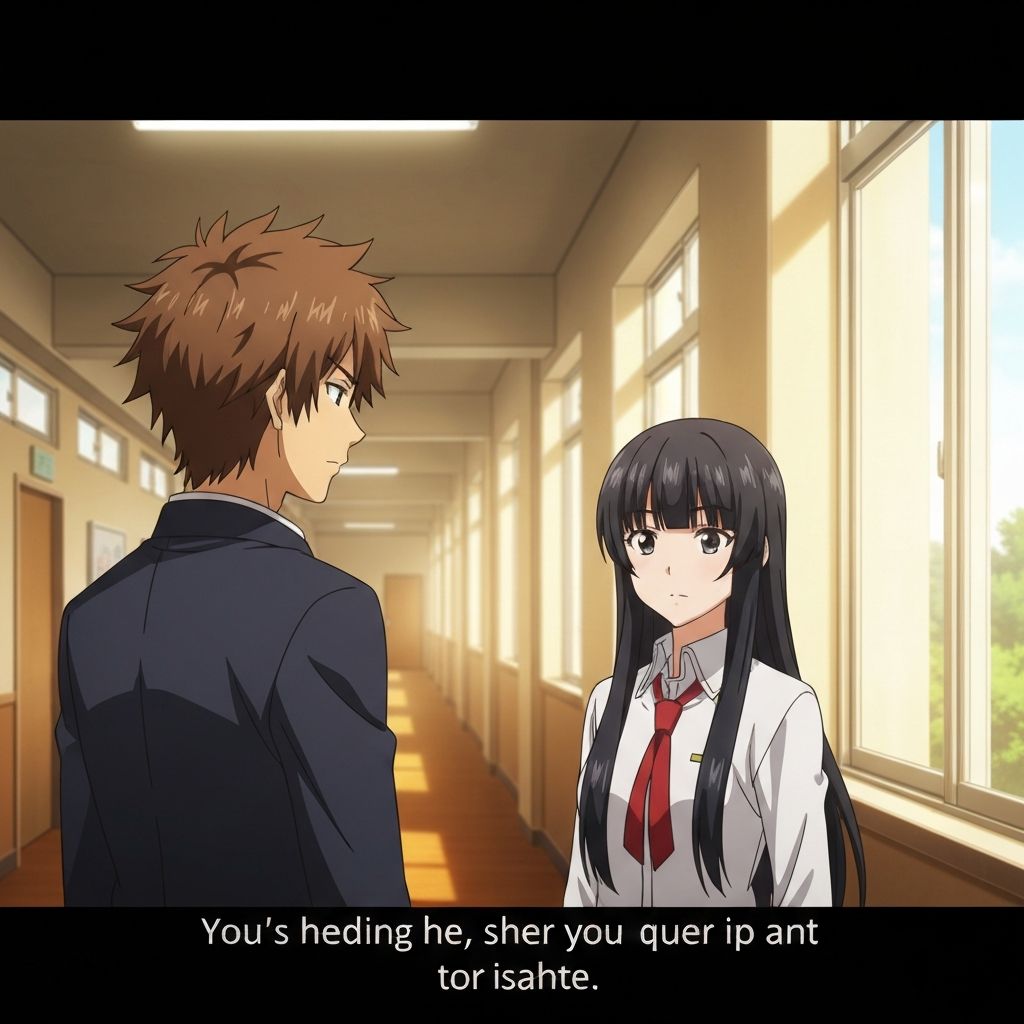
Translating Manga Sound Effects: Keep or Adapt?
Mitchell Fujimoto
Lead Localizer
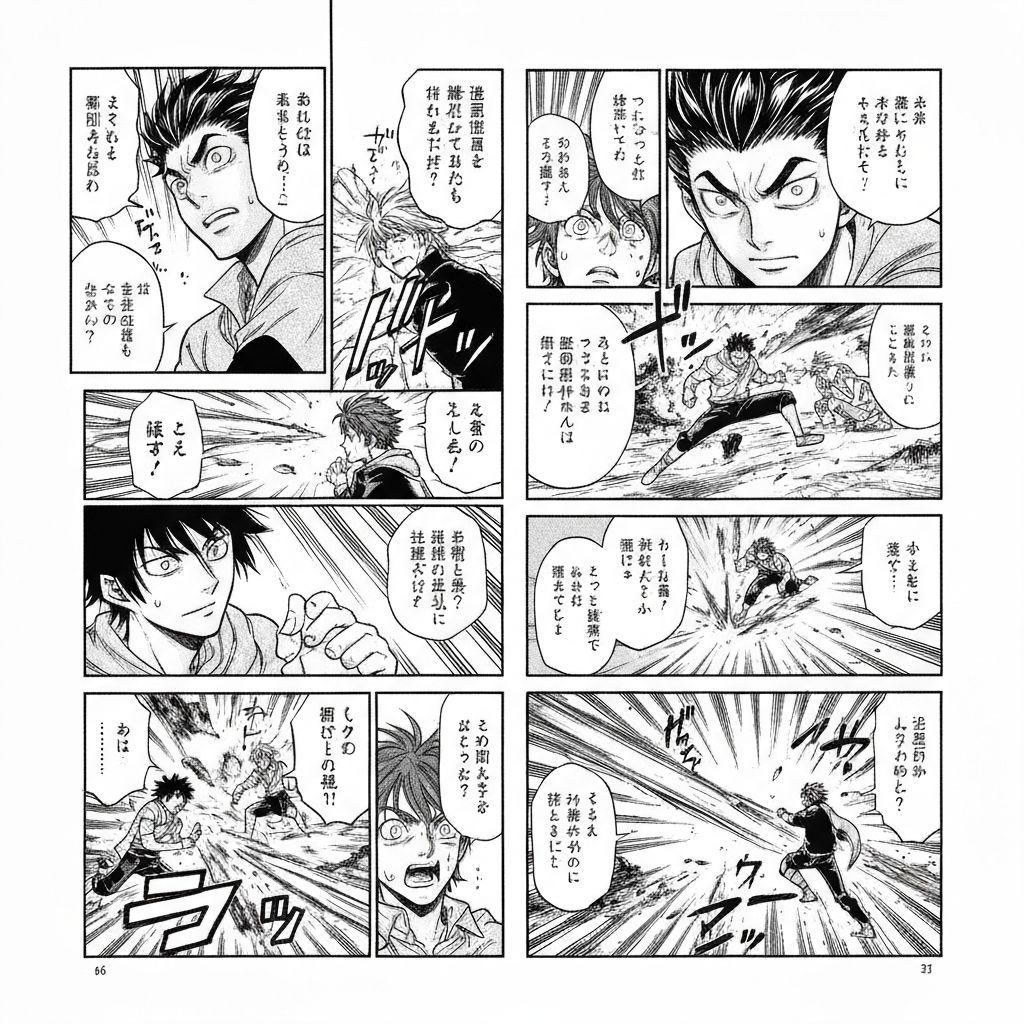
Sound effects in manga aren't just noise—they're an integral part of the visual storytelling. Japanese onomatopoeia is remarkably expressive, with specific sounds for silence, glaring, sparkling, and countless other concepts that English lacks direct equivalents for.
The traditional approach was to leave Japanese SFX untouched, perhaps adding small English translations nearby. This preserves the art but can leave readers puzzled. Modern manga publishing has shifted toward replacing SFX with English equivalents when possible.
Technical considerations influence decisions. Sound effects are often integrated into artwork, sometimes hand-drawn by the artist. Removing and replacing them requires skilled retouching that can be time-consuming and expensive.
Consider your audience carefully. Hardcore manga enthusiasts may prefer preserved Japanese SFX as part of the authentic experience. Casual readers or younger audiences generally appreciate English adaptations that don't interrupt their reading flow.
Some sounds have no good English equivalent. 'Doki doki' (heartbeat of excitement), 'shiin' (silence), and 'pika pika' (sparkling) require creative solutions. Sometimes a descriptive approach works; other times, keeping the Japanese with a footnote is best.
Our recommended approach is flexibility within consistency. Establish guidelines for each project based on audience, budget, and the importance of SFX to the story. Whatever approach you choose, apply it consistently throughout the publication.
Share this article